
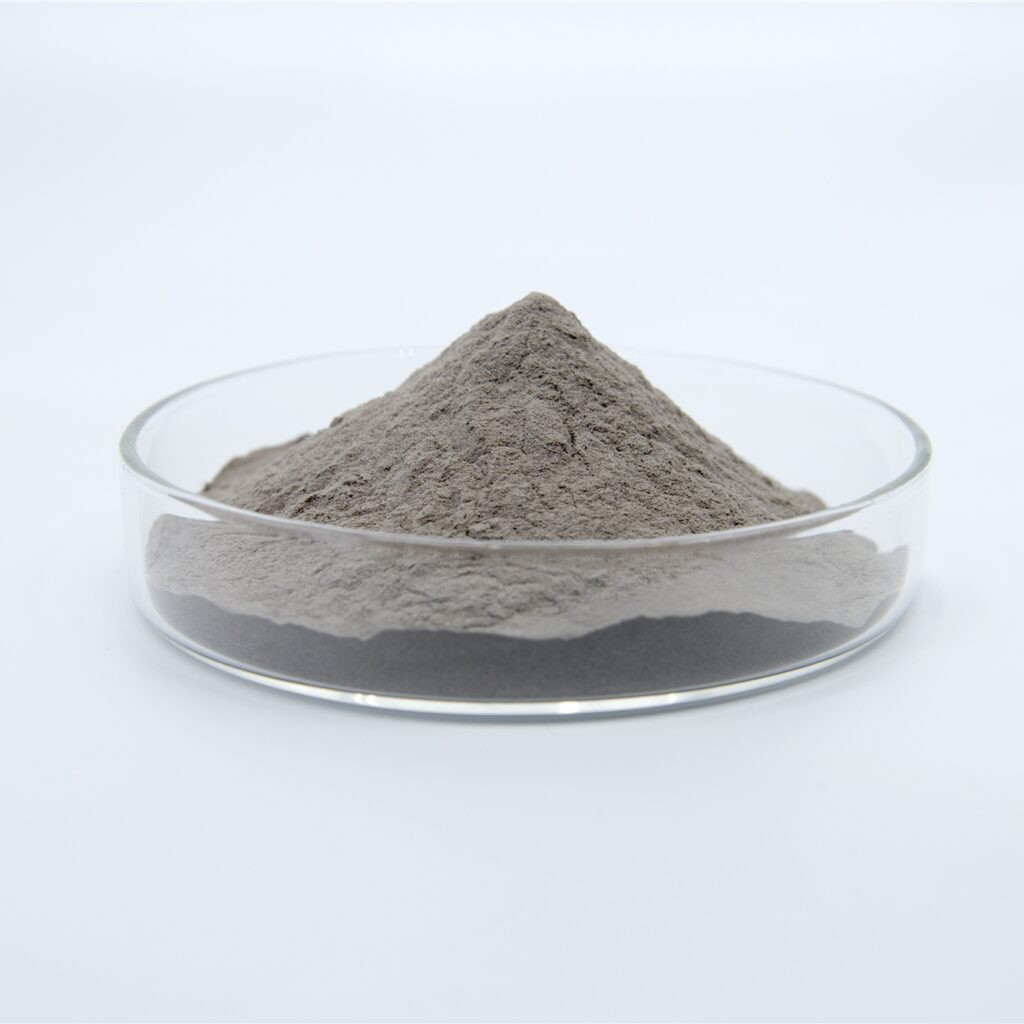
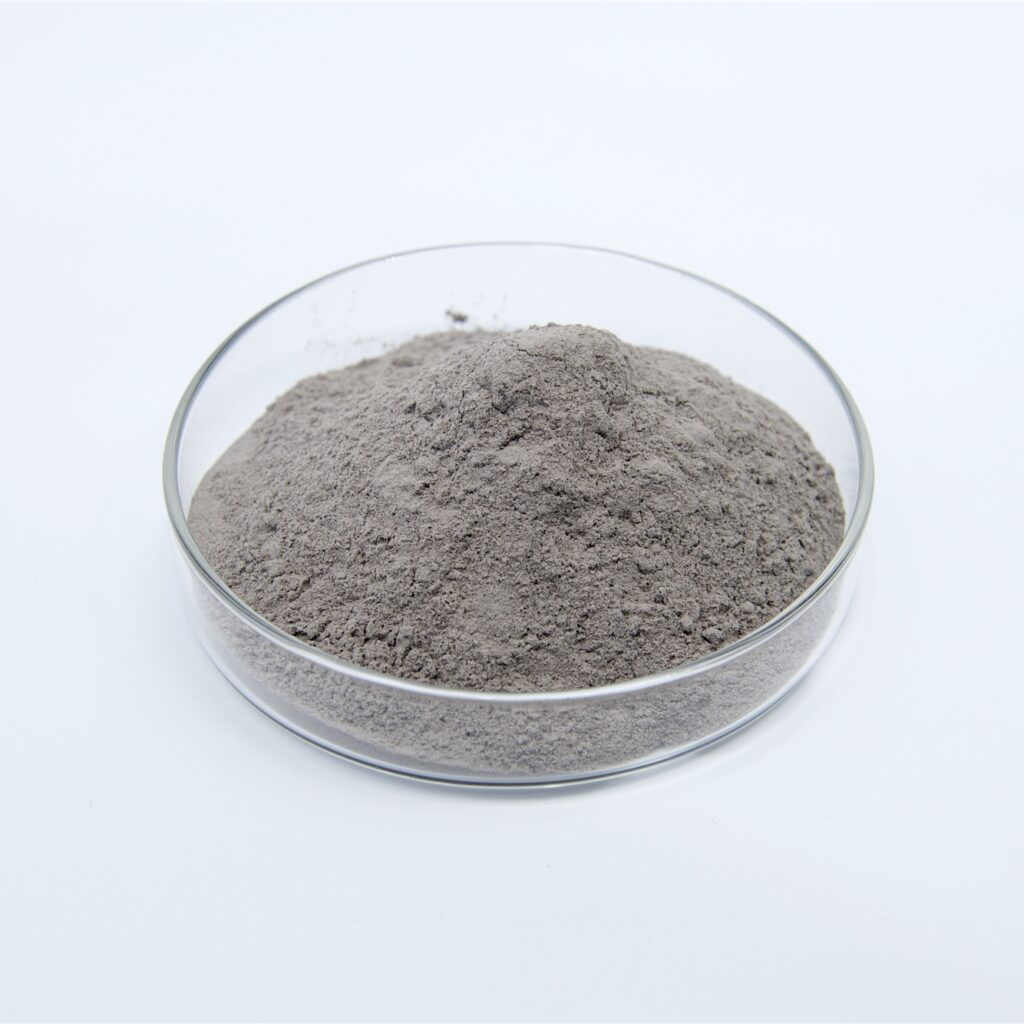
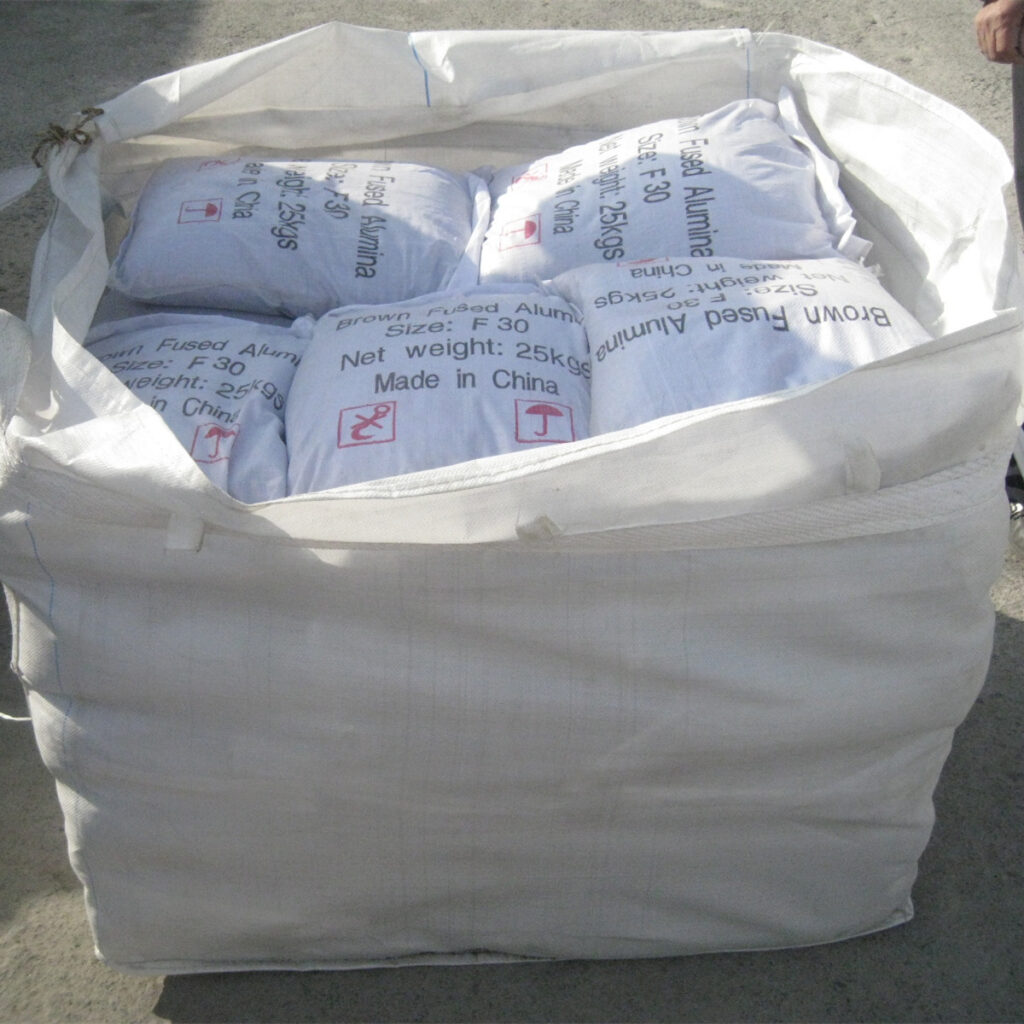
What is Brown Aluminum Oxide Polishing Media?
It is a type of synthetic abrasive blasting and tumbling media made from fused aluminum oxide (Al₂O₃), with its characteristic brown color coming from naturally occurring impurities like titanium oxide. It is known for being very hard, durable, and sharp, making it a fast-cutting and long-lasting workhorse.
Key Characteristics & Properties
Hardness: Very hard (9 on the Mohs scale, just below diamond). This gives it excellent cutting ability.
Shape: Typically angular or blocky. The sharp edges are what do the cutting and deburring.
Durability: Extremely durable and friable—meaning it fractures to expose new sharp edges as it wears, maintaining its cutting efficiency over a long lifespan. It does not round over like some softer media.
Density: High density, which provides more impact force in tumbling and blasting applications.
Color: The brown color can sometimes leave a slight residue, so it may not be ideal for bright finishing of white metals without proper cleaning.
Applications
1. Vibratory Tumbling & Mass Finishing
Deburring: Excellent for removing heavy burrs from machined parts (stampings, die-castings, screw machine parts).
Sharp Edge Breaking: Quickly breaks sharp edges to a smooth radius.
Surface Finishing: Provides a uniform matte or satin finish. It’s a pre-plate finish for steel and zinc die-castings.
Heavy Stock Removal: Can remove scale, oxidation, and parting lines from metal parts.
2. Blast Finishing
Surface Preparation: Used for aggressive cleaning, paint stripping, and creating an anchor profile on steel for coating.
Etching & Texturing: Can texture surfaces for adhesion or aesthetic purposes.
Peening: Can be used for light stress peening.
Advantages
Fast Cutting: Removes material quickly, reducing cycle times.
Long Life: Outlasts many other media (like plastic, walnut shell, or even some ceramics) due to its hardness and friability.
Consistent Results: Produces a uniform finish across large batches.
Cost-Effective Over Time: While the initial cost is higher than some media, its longevity often makes it more economical in the long run.
Good for Hard Metals: Ideal for steel, stainless steel, cast iron, and other tough alloys.