
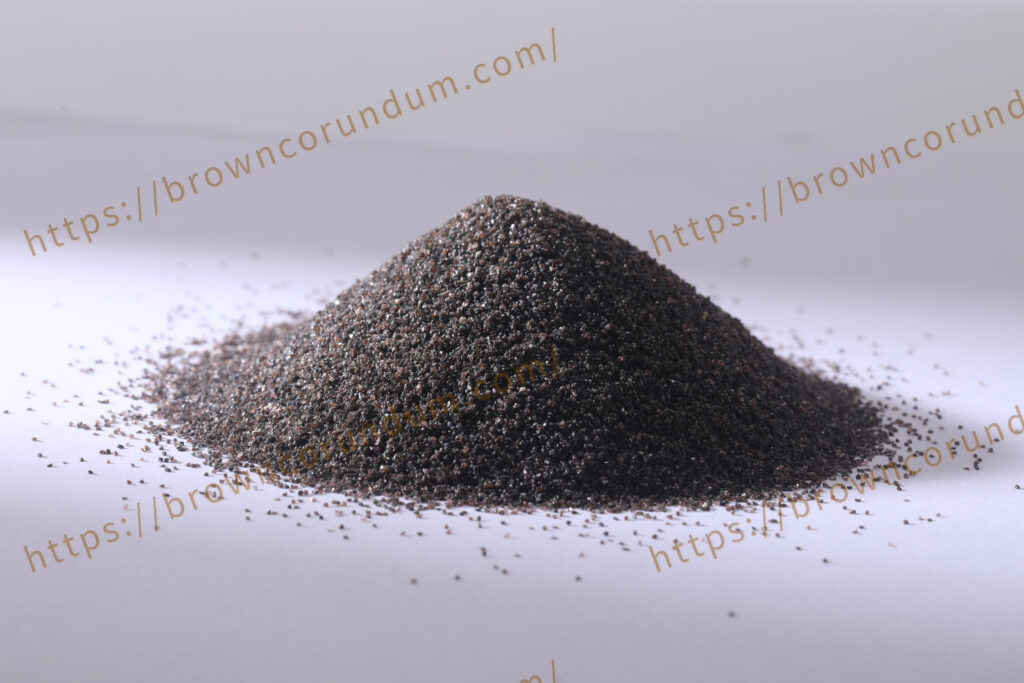
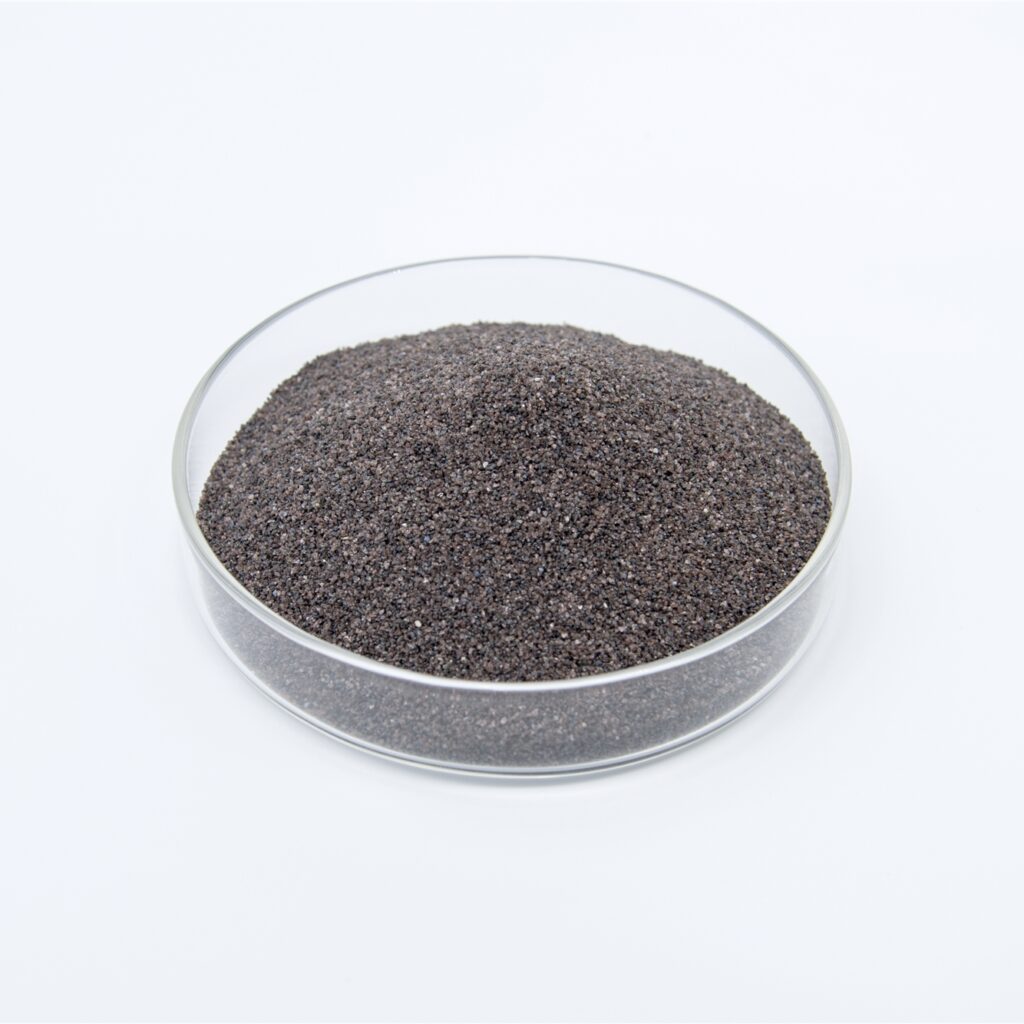
Brown Fused Alumina (BFA) is a widely used and highly effective abrasive for blasting auto parts. Here’s a comprehensive breakdown of its use, benefits, and best practices.
1. Why Brown Fused Alumina is Ideal for Auto Parts
BFA is made from bauxite (aluminum oxide ore) in an electric arc furnace. Its properties make it a top contender for industrial surface preparation:
High Hardness (Mohs ~9.0): Hard enough to clean tough contaminants from steel, iron, and aluminum alloys commonly used in auto parts.
High Toughness & Durability: Resists fracturing better than many abrasives (like white alumina or glass beads), allowing for multiple reuses. This provides excellent cost-efficiency over time.
Sharp, Angular Grains: These grains have a “cutting” action, which is highly effective for:
Removing rust, scale, old paint, and oxides.
Deburring sharp edges after machining.
Creating a uniform, angular surface profile crucial for coating adhesion.
Chemically Inert: It will not contaminate the base metal or cause secondary corrosion, unlike steel shot which can embed or cause rust.
Low Silicon Content: Unlike some mineral abrasives (e.g., garnet, quartz sand), BFA generates minimal free silica dust, making it a safer choice from a respiratory health perspective (though dust control is still mandatory).
2. Key Applications in Auto Parts Manufacturing & Restoration
Casting Cleaning: Removing mold sand, parting lines, and scale from engine blocks, cylinder heads, transmission cases, and other cast components.
Weld Preparation & Cleaning: Cleaning welds, removing spatter and slag before non-destructive testing or painting.
Coating Preparation (Most Critical Use): Preparing surfaces for powder coating, wet paint, electroplating, or thermal spray. The angular profile created by BFA dramatically increases surface area and mechanical bond strength.
Deburring: Sharpening the cutting edges of newly machined parts or removing burrs.
Restoration & Refinishing: Stripping old finishes and corrosion from classic car parts, wheels (steel or aluminum), chassis components, and suspension parts.
3. Selecting the Right Grit Size (Mesh)
The grit size determines the finish and speed. For auto parts, common choices are:
#16 – #36 Grit (Coarse): For heavy-duty jobs—rapid removal of thick scale, heavy rust, or epoxy coatings on large parts like frames or axles. Creates a deep profile.
#46 – #60 Grit (Medium): THE MOST VERSATILE AND COMMON CHOICE. Perfect for general-purpose cleaning, paint stripping, and creating an optimal surface profile for coatings on most components (brackets, housings, engine parts). Offers a great balance of speed and finish.
#80 – #120 Grit (Fine): Used for lighter cleaning, cosmetic finishing, or preparing surfaces for thinner coatings where a smoother profile is desired. Good for aluminum parts to avoid excessive metal removal.