
Brown fused aluminum oxide is a high‑performance refractory material ideal for high‑temperature, wear‑resistant, and corrosion‑resistant applications. It is made by fusing bauxite with carbon and iron scrap in an electric arc furnace at ~2000–2500 °C, then cooling and crystallizing into a dense brown aggregate.
| BROWN FUSED ALUMINA SIZE | AL2O3 MIN | SIO2 MAX | TIO2 MAX | Fe2O3 MAX |
| 0-50mm | 94.50% | 0.80% | 2.23% | 0.35% |
| 0-1mm | 95.50% | 0.70% | 2.23% | 0.25% |
| 1-3mm | 95.75% | 0.66% | 2.18% | 0.23% |
| 3-5mm | 95.90% | 0.60% | 2.15% | 0.21% |
| 5-8mm | 96.00% | 0.50% | 2.10% | 0.18% |
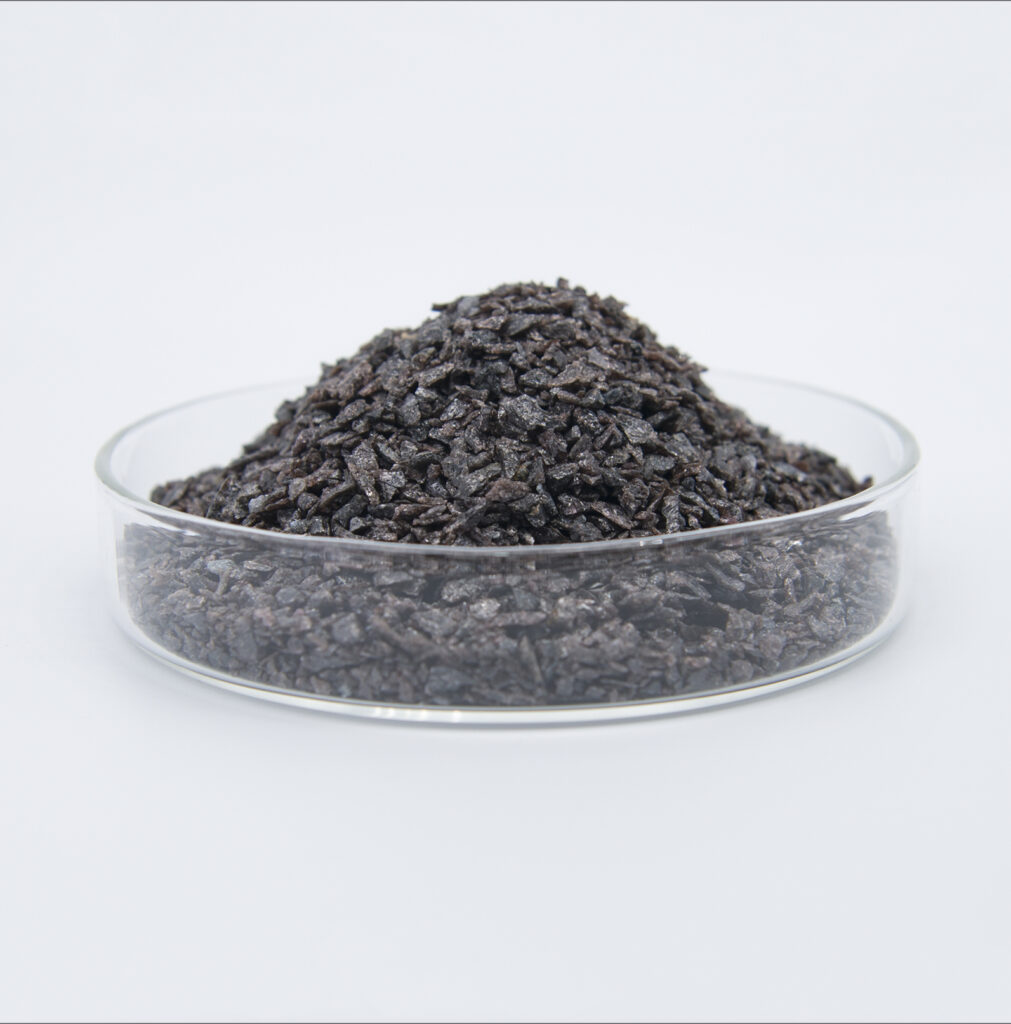
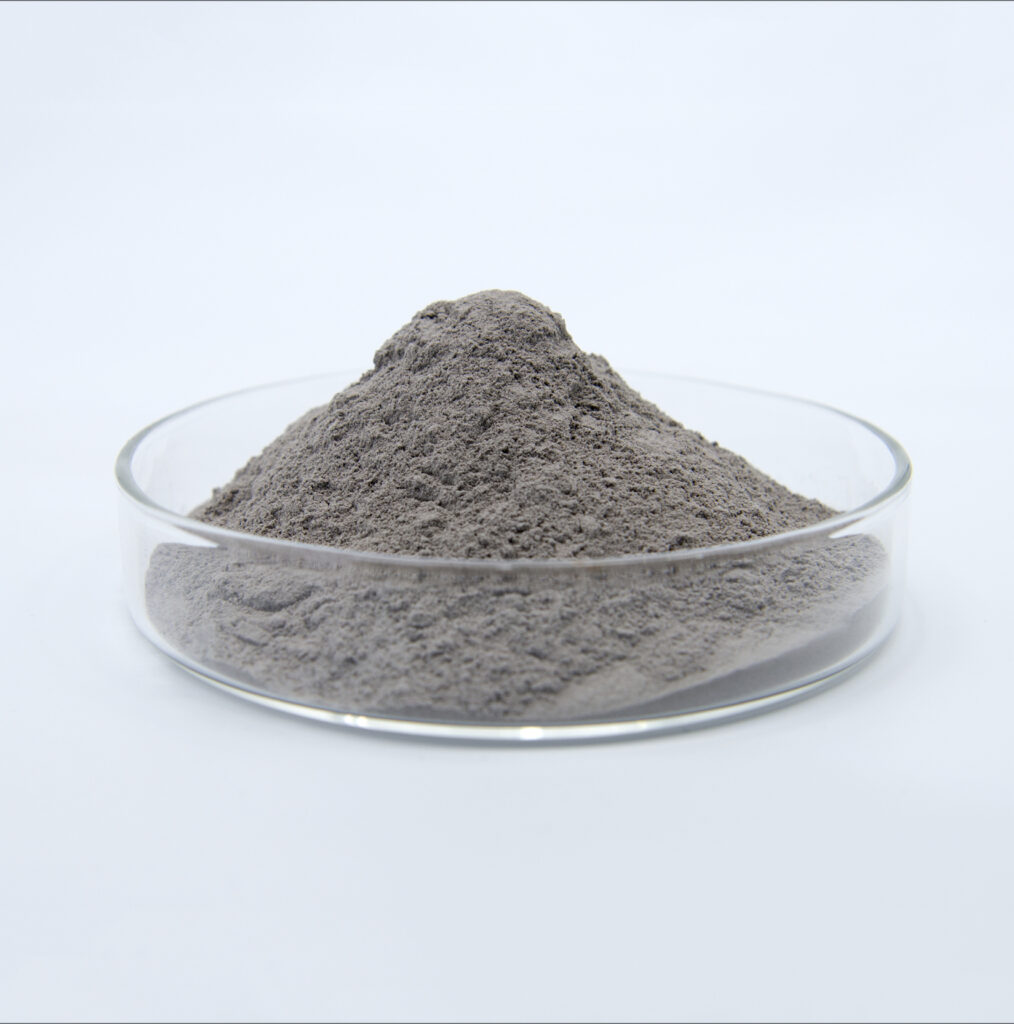
Core Properties
- Chemistry: Al₂O₃ 94.5–96%, minor Fe₂O₃, TiO₂, SiO₂
- Hardness: Mohs 9; microhardness ~1800–2200 kg/mm²
- Refractoriness: Up to ~1850 °C; excellent thermal stability
- Strength & Density: High bulk density, low porosity; good toughness & impact resistance
- Thermal Behavior: Low linear expansion; good thermal shock resistance (better than many conventional aluminosilicate refractories)
- Chemical Stability: Resists slags, molten metals, and acidic/alkaline attack in service
Key Applications
- Steel metallurgy: Ladle bricks/castables, tundish linings, slag doors, torpedo ladles, blast furnace hearths
- Non‑ferrous metals: Aluminum/copper smelters, crucibles, furnace linings (resists molten metal & flux)
- Glass industry: Float glass tank bottoms, forehearths, superstructures (low alkali attack)
- High‑temp processes: Cement kilns, incinerators, waste‑to‑energy units, ceramic kilns
- Foundry & precision casting: Ladles, pouring cups, risers, heat-resistant coatings
Use Considerations
- Grade selection: Al₂O₃ ≥95% for severe slag/metal attack; lower‑purity grades for general high‑temp service
- Particle size grading: Coarse grain for strength; fine/micropowder for densification and low permeability