
Brown Fused Alumina (BFA)
Brown fused alumina, also known as brown corundum, is a high-performance artificial abrasive manufactured by smelting high-quality bauxite ore in electric arc furnaces at ultra-high temperature above 2000℃. It is the most widely used conventional fused alumina abrasive, featured with high hardness, excellent toughness, strong mechanical strength and stable chemical properties.
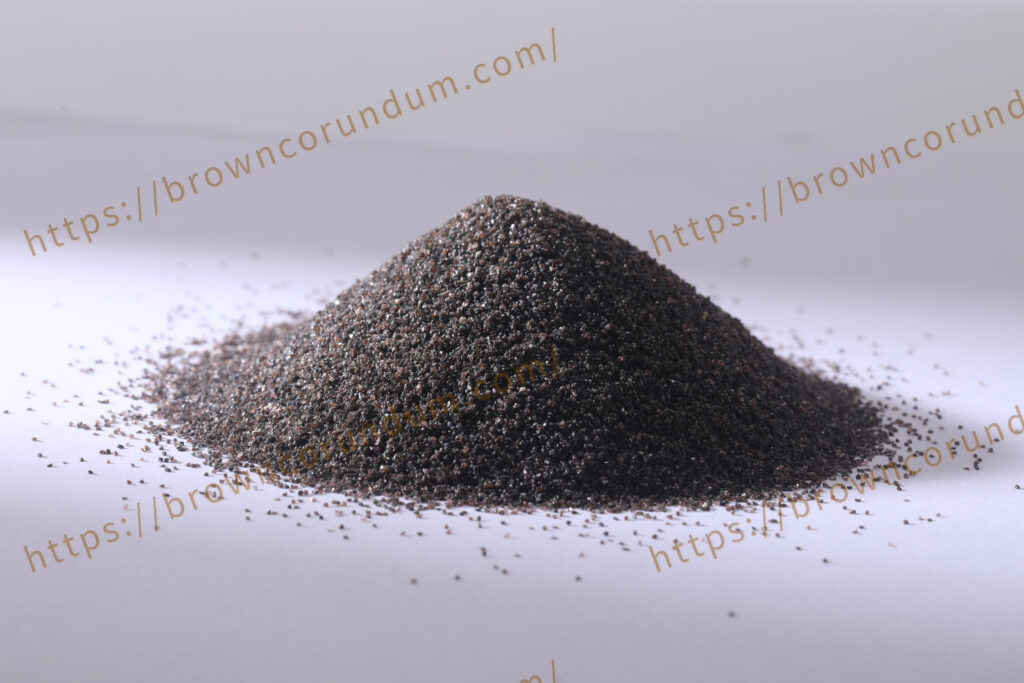
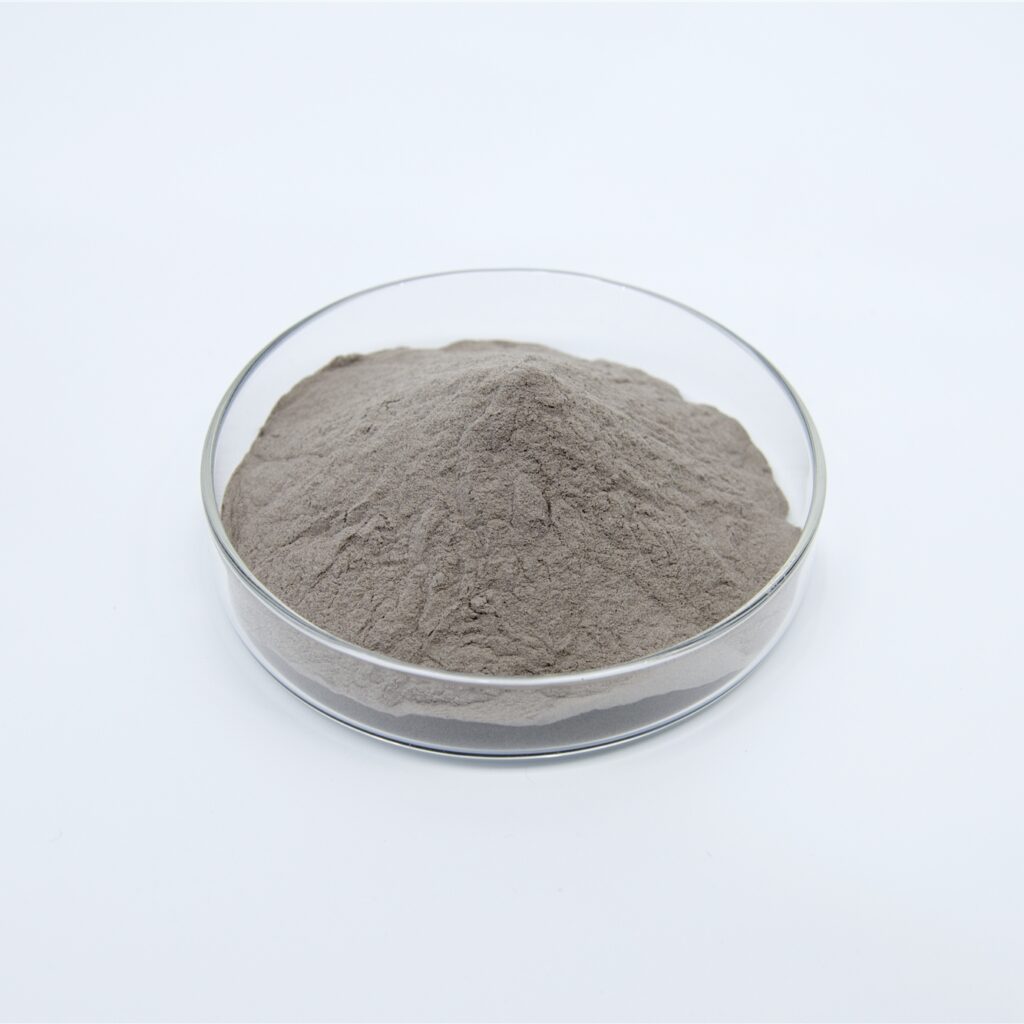
1. Chemical Composition
Its main component is aluminum oxide (Al₂O₃), with typical content ranging from 94.5% to 96%. It also contains small amounts of iron oxide, silica, titanium oxide and other trace mineral components. The low impurity content ensures its high stability and abrasion resistance during blasting, grinding and refractory applications.
2. Physical & Mechanical Properties
- Hardness: Mohs hardness 9.0, high cutting force and grinding performance.
- Toughness & Impact Resistance: High structural toughness, not easy to break under high-pressure impact. It can maintain complete particle shape in long-term blasting operation.
- Specific Gravity: True density 3.9–4.0 g/cm³, high bulk density and strong impact inertia, which greatly improves surface treatment efficiency.
- Self-sharpening Property: When worn by continuous impact and friction, the abrasive grains will fracture naturally to produce new sharp edges and corners, keeping stable working efficiency continuously.
- Granularity Uniformity: Processed by crushing, shaping and precise screening, with regular particle size, good fluidity and no nozzle clogging.
3. Key Characteristics & Advantages
Low Dust & Environmentally Friendly
Free of free silica and harmful siliceous dust, effectively avoiding silicosis risks for operators. Much less dust emission than quartz sand, copper slag and slag abrasives, meeting industrial environmental protection and occupational health standards.Reusable & Cost-effective
With strong compression resistance and low wear rate, brown fused alumina can be recycled 5–10 times in closed blasting systems. It reduces overall material consumption and long-term production costs.Excellent Chemical Stability
Acid and alkali resistant, insoluble in common industrial chemicals, no chemical reaction with metal, glass, ceramic and other workpieces. It will not cause corrosion, contamination or surface damage to substrates.High Temperature Resistance
Low thermal expansion coefficient, outstanding thermal shock resistance and high-temperature structural stability. It is suitable for both normal-temperature surface treatment and high-temperature refractory industries.Uniform Surface Finishing
Moderate surface roughness after blasting, uniform matte and anti-rust base surface, ideal for paint spraying, coating, bonding and metal surface strengthening pretreatment.
4. Main Application Fields
- Sandblasting & Surface Treatment: Metal rust removal, oxide skin cleaning, weld seam polishing, casting descaling, mold cleaning, metal surface matting and stress relief.
- Abrasive Tools Manufacturing: Used for making grinding wheels, abrasive cloth, abrasive paper, cutting discs and mounted points.
- Refractory Materials: Applied in high-temperature industrial furnaces, casting and metallurgy industries for high-grade refractory bricks and castables.
- Non-metal Processing: Glass frosting, ceramic matte finishing, stone carving and surface texturing.
- Wear-resistant Materials: Wear-resistant floor aggregate, anti-slip pavement and industrial wear-resistant coating fillers.
5. Application Compatibility
It is suitable for carbon steel, stainless steel, iron, aluminum alloy, copper, glass, ceramics, stone and most hard industrial materials. It is a universal and high-quality blasting abrasive replacing low-efficiency and high-pollution abrasives like quartz sand.